
Dancer Heels: A Comprehensive Guide To Choosing The Best Heels for Dancing
Last Updated on November 27, 2023 by Clement
Dancer Heels: A Comprehensive Guide To Choosing The Best Heels for Dancing
Whether you’re a beginner dancer or a professional, the right pair of dancer heels can make all the difference in your performance. As the name suggests, dancer heels are shoes specifically designed for dancing and provide the support, cushioning and traction needed to perform comfortably and safely. In this article, we’ll explore the different types of dancer heels, their features, and the advantages and disadvantages of each. We’ll also discuss how to choose the right pair of dance shoes for your particular needs and style.
What Are Dancer Heels?
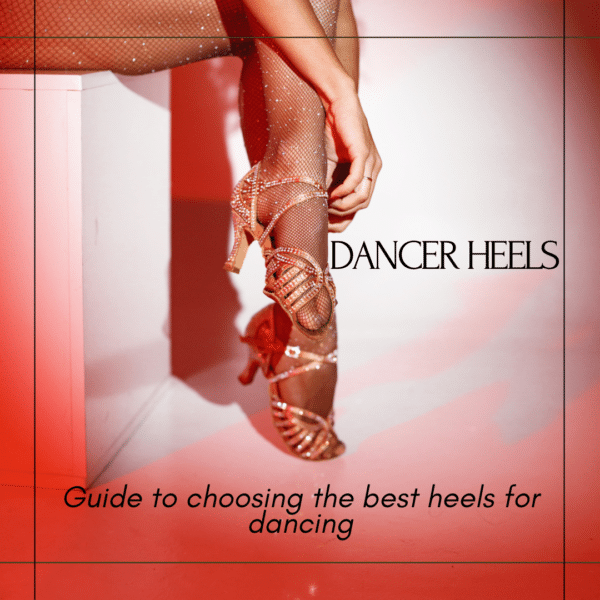
Put simply, dancer heels are heeled dance shoes that are designed to provide support and stability to the dancer’s feet and ankles. They come in a variety of heights and styles, catering to a wide range of dance genres. From ballet shoes with split soles to high–tops with tapered toes and flexible shafts, there’s a pair of dance shoes out there for everyone.
Types of Dancer Heels
There are several different types of dancer heels, each designed for a specific type of dance.
Ballet shoes tend to be light and flexible, featuring a flat shoe with low heels or almost no heels and split sole for ease of movement. You can also purchase a full sole ballet shoes (also called Pointe shoes). They are designed to be light-weighted and will help dancers to dance and spin better.
Tap shoes feature a flat–soled heel with metal taps on the bottom of the heels and toes in order to make the typical noise that is specific to tap dancing.
Jazz shoes usually have a thicker heel and special “grippers” on the sole for increased traction.
Character shoes have a low Cuban heel and often come with an ankle strap to keep them in place.
There are also a variety of specialized Latin Dance shoes or ballroom shoes with heels of varying heights, depending on the dance style.
Heels shapes can varies from : Cuban Heels, Flared heels or Straight Stiletto heels.

Dancer Heels
Features of Dancer Heels
No matter which type of dancer heels you choose, there are a few key features to look for when shopping.
Look for shoes with a thicker heel if you are a beginner or unsure about dancing in heels. Those will have more stability.
Op for example for a cuban heel, block heel or square heel. read more about the different types of heels shoes.
You also want your shoes to be fitting tight enough, so your foot can’t move. It will protect your feet from injuries.
Finally, make sure that your new pair of dancing shoes provide a good arch support and ankle support.
The sole should be flexible but durable; ballet shoes should have split soles or full sole while other types of shoes like latin shoes should have a suede sole in order to spin better. Most importantly, make sure the shoes fit your feet properly. A well–fitting pair of dancer heels will keep your feet comfortable and supported throughout your performance.
Advantages of Dancer Heels
The main advantages of dancer heels are the support and cushioning they provide. Dance shoes are designed to absorb shock and reduce pain in your feet and ankles, allowing you to focus on your performance rather than worrying about foot pain.
Dance Heels also add height and grace to the dance, which is especially important for certain styles such as ballet or pointe.

Disadvantages of Dancer Heels
While dancer heels offer many benefits, there are a few drawbacks to keep in mind before investing in a pair.
- One disadvantage is that they can be expensive, especially if you choose a quality pair.
- Additionally, dancer heels often require special care and maintenance, as they are vulnerable to wear and tear.
- Finally, dancer heels can be difficult to break in, meaning you may have to spend time getting used to them before you can start performing.
How to Choose the Right Dancer Heels
Choosing the right pair of dancer heels depends on a variety of factors, including your dance style, budget, and skill level.
For Latin Dancing and Ballroom Dancing
Beginners should start with a low-heeled option such as a 6cm Flared heels dance shoes.
Experienced dancers may opt for higher heels such as a 8cm Flared heels or Straight Stiletto Heels, which offer increased height and will make you look amazing.
For Ballet dancing
Use split sole or full sole that provides the necessary support and cushioning without putting too much strain on the feet and ankles
No matter which option you choose, make sure the fit is snug and comfortable, as this will ensure your safety and performance success.
For pole Dancing
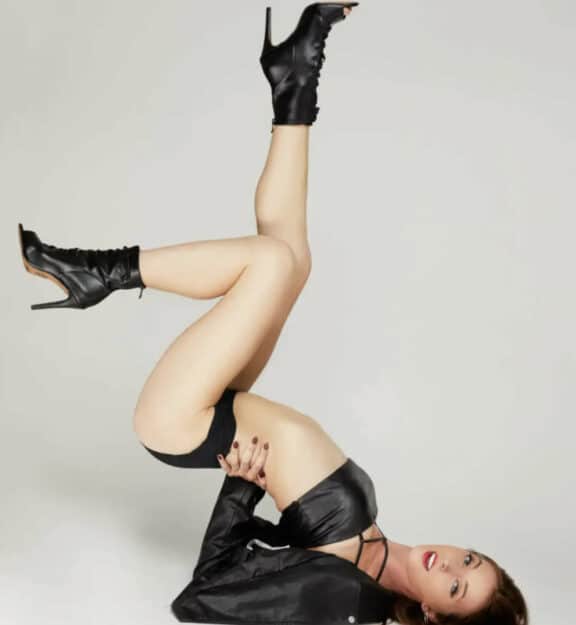
Use high heel dance shoes, platform dance shoes or thigh high dance boots.
For Heels dance
Use Stiletto Heels Dance Shoes, high heels dance shoes with ankle strap or High heel dance shoes t bar
Note for the one that don’t feel confident dancing in heels, you can select a low heel dance shoes or a dance sneaker
Pictures of dancers with heels

Dancer Heels
In conclusion, dancer heels are an essential piece of any dancer’s wardrobe. With the right pair, you can move with comfort, confidence, and style. While selecting the perfect pair of dancer heels may take some research and trial–and–error, the effort will be worth it in the end. With a good pair of dance shoes, you can take your performance to the next level.

Dancer Heels
Related Articles:
How to Find the Perfect Dance Shoes for Womens in Australia
Ballet Slippers for Woman and Children Split sole and Full Sole
Dancing Shoe: A Must-Have for Every Dancer
Introduction to Ballroom Shoes Womens
How to choose the perfect Latin Dance Footwear for Solo and Group Dances?
Dancer Heels

Dance teacher, music passionate and Latin dancers aficionado!
Founder of Latin Dance Shoes Australia
Further reading
What to Wear with Leopard Print Heels?
What to wear with pink high heels ?
