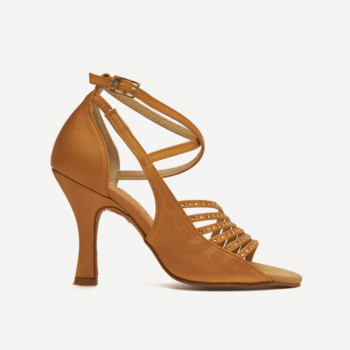
Best shoes for salsa dancing: top picks for comfortable salsa shoes
When choosing salsa dance shoes, dancers should consider factors such as sole flexibility, heel height, and material. Shoes with suede soles are known for their ability to allow dancers to glide across the floor with enough traction to prevent slipping. A snug fit that offers both comfort and security is key for long hours of dancing. Additionally, the maintenance of salsa shoes, including regular cleaning and occasional sole replacements, will extend their lifespan and ensure consistent performance.
Selecting the right salsa dance shoes is crucial for dancers, as the proper footwear can dramatically improve performance. High-quality shoes provide the necessary support and flexibility while maintaining comfort during the vigorous movements of salsa dancing.
Left shoe is suede sole - right shoe is pU leather and rubber sole look like
There is 4 main types of shoe sole for salsa dancing shoes.
Suelas de ante para bailar en interiores
Rubber soles for outdoor dancing
Suelas de cuero
PU leather soles
The best shoes for salsa dancing will need to be adjusted by defining where do you dance the most often. If that’s salsa dancing on concrete, your suede sole salsa shoes will definitely not be the best shoes to buy for you. Instead the best shoes for salsa dancing for you would be a rubber sole salsa shoe, smooth pu leather or leather sole that allow you to dance on concrete. But definitely not a suede shoe sole.
En sole of a salsa shoe plays a pivotal role in a dancer’s ability to move and maintain balance. Suelas de ante are immensely popular as they offer the right amount of tracción y agarre on various dance floor surfaces. A suede or leather sole ensures smoother spins and slides without slipping. Dancers often look for soles that allow them to feel the floor, which is essential for precise footwork.
Heel Types and Their Impact
Altura del tacón and shape significantly affect a dancer’s stability and style. Zapatos de salsa generally feature a 2.5-inch heel, which is an ideal height that balances comfort and aesthetics. Tacones acampanados are preferred over stiletto heels in salsa dancing because they provide a broader surface area for weight distribution, enhancing stability. The choice between a tacón bajo y un wide heel will depend on the dancer’s expertise and style preference.
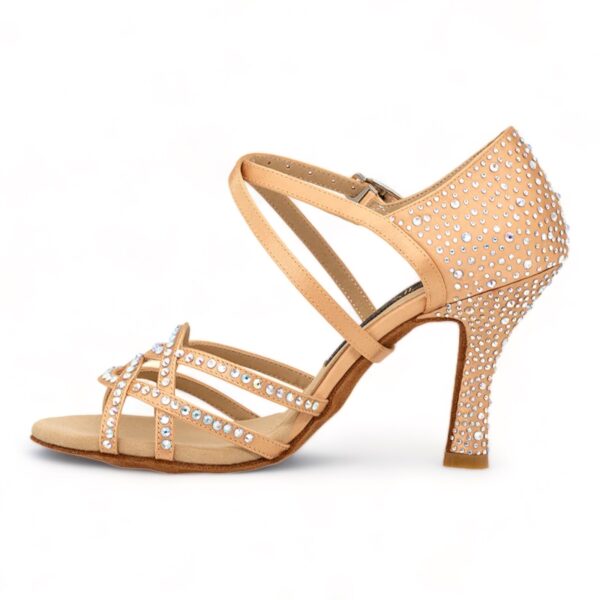
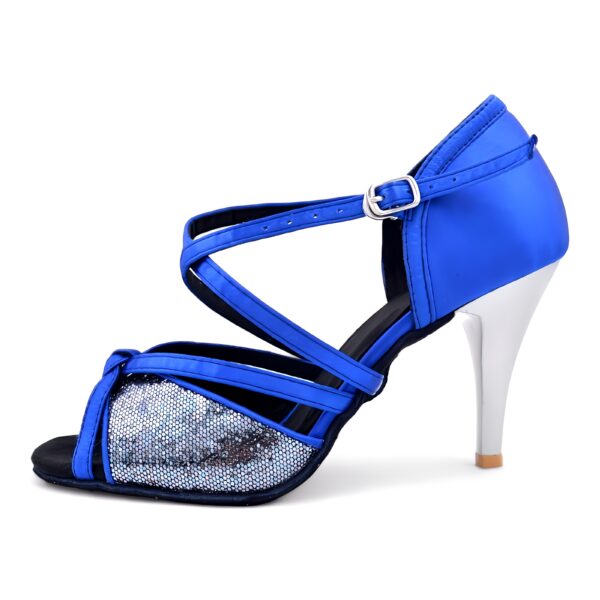
Beleza Best shoes for salsa dancing
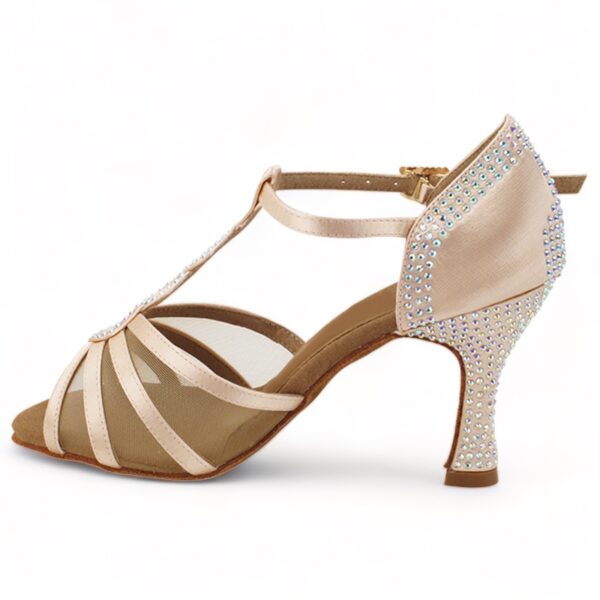
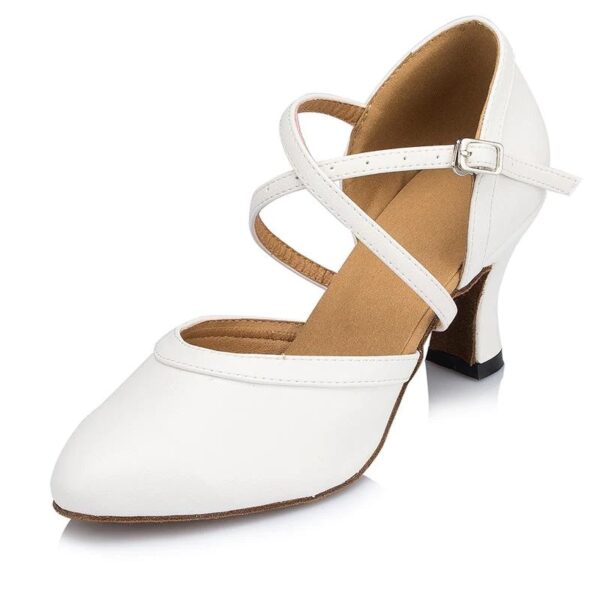
best shoes for salsa dancing - Princesa
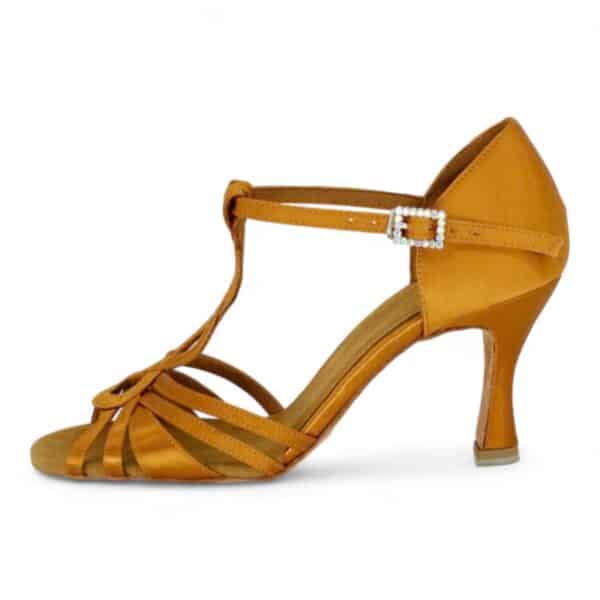
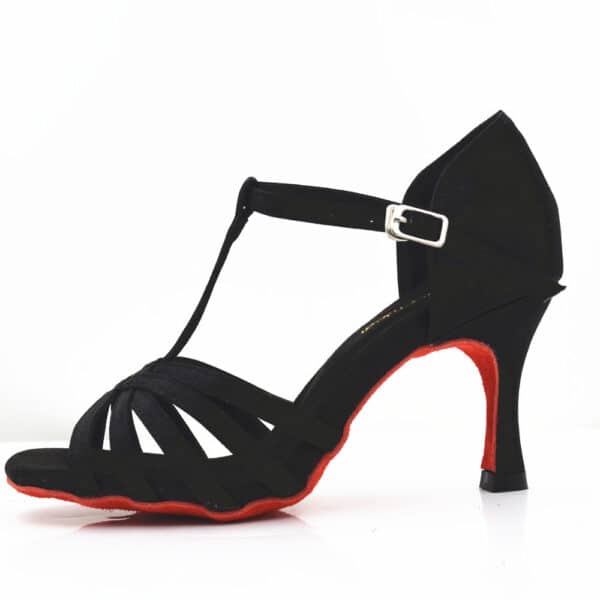
Anna Best Shoes for salsa dancing
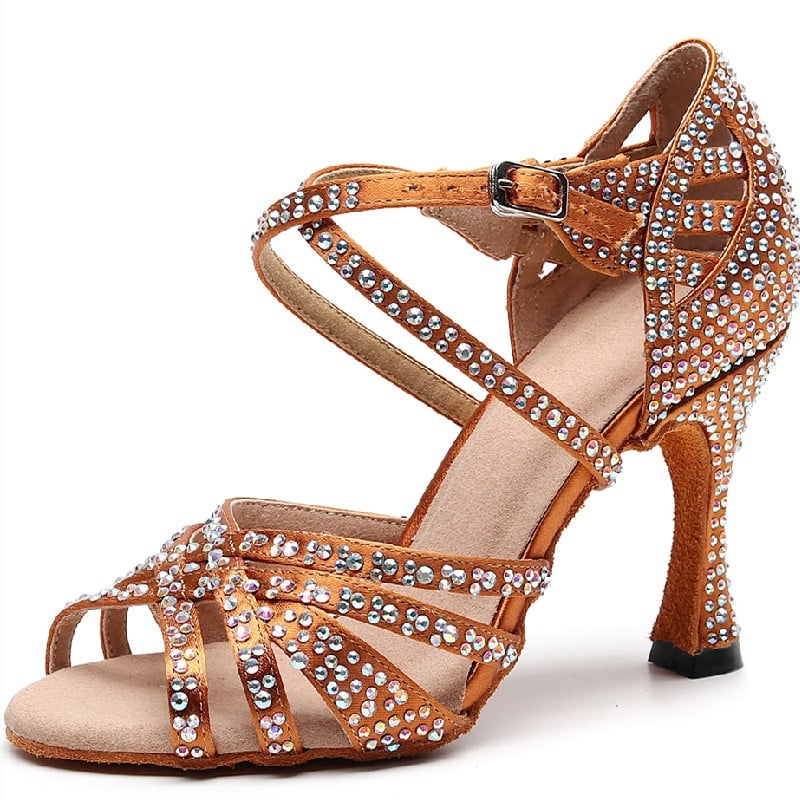
Cerise Best shoes for salsa dancing
Material Matters for Salsa Footwear
The material of salsa shoes should contribute to the durabilidad, flexibilidady confort of the footwear. Piel y satén are common choices of materials for dance shoes, offering a combination of durability and elegance. Meanwhile, mesh o synthetic components can add breathability to the shoe. High-quality suede leather o soft satin materials can ensure that the shoes remain functional and stylish even after prolonged use. For dancers prioritizing movement, a lightweight material is key to effortless dancing.
Key Features of Salsa Dancing Shoes
In the realm of salsa dancing, footwear plays a pivotal role in a dancer’s performance and style. The right shoes are crafted to enhance balance, provide unwavering support, and complement the dancer’s appearance with an aesthetic flair befitting the vibrant nature of salsa.
Beleza Best shoes for salsa dancing
best shoes for salsa dancing - Princesa
Anna Best Shoes for salsa dancing
Cerise Best shoes for salsa dancing
Balance and Support Essentials
For salsa, a suela de ante is indispensable due to its perfect blend of grip and slip; it aids in executing fluid spins without sacrificing control. A dancer’s balance is facilitated by a well-constructed heel, typically around 2.5 inches, which ensures optimal weight transfer. Arch support y ankle stability are crucial, and a secure fit is achieved with an adjustable buckle, known for helping to maintain the foot’s placement within the shoe during complex movements.
Comfort and Fit for Performance
The interior of a salsa dance shoe should feature a plantilla acolchada for hours of comfort, while a snug yet pliable fit is essential to avoid any hindrance in footwork flexibility. The confort of the shoe is further accentuated by additional acolchado y un cushioned footbed, which together alleviate the stress on the feet during vigorous dances like those seen in Latin ballroom competitions.
Best shoes for salsa dancing.
Design Elements for Salsa Styling
While functionality is key, the appearance of the shoe should not be overlooked. Satin and leather are popular materials that offer an elegant look, with satén being particularly sought after for its refined sheen. For dancers looking to make a statement, details such as pedrería or a stylized Anna heel can provide that extra sparkle to catch the light and eyes of the audience. Customization options including color and material selections allow for a personalized touch, ensuring that the dancer’s shoes are as unique as their performances.
Selecting the best salsa footwear involves focusing on fit, support, and comfort. This section will address how to choose correctly-sized shoes for salsa and essential care tips to ensure your shoes’ durability and longevity.
Beleza Best shoes for salsa dancing
best shoes for salsa dancing - Princesa
Anna Best Shoes for salsa dancing
Cerise Best shoes for salsa dancing
Selecting the Right Size and Fit to get the best salsa shoes that fit your unique needs
A proper fit is crucial for salsa dance shoes, as it significantly affects a dancer’s performance and comfort. Ladies’ salsa dance shoes typically come in a variety of styles, including open-toe, closed-toe, and strappy designs, often featuring high heels to accentuate leg lines. Here’s what to consider:
Sizing: It’s imperative to measure your feet accurately, as sizes can vary between brands. A sizing chart specific to the brand can be a valuable reference. Always consider both length and width to accommodate wide or narrow feet.
Arch Support: Look for shoes that provide proper arch support, essential for dancers who spend hours on the floor. Soft leather is recommended for upper materials, while inner cushioning can provide additional shock absorption.
Altura del tacón: Heel heights can range from 1.5 inches to 3 inches. While higher heels may be visually appealing, they require more balance and can cause discomfort if not used to them. A lower heel often offers more stability, especially important for beginners.
Sole Material: Salsa shoes typically have suede leather soles that offer the right mix of grip and slide. Sole material and its quality play vital roles in both performance and shoe lifespan. Choose high-quality pairs from brands like Supadance known for durable soles.
Beleza Best shoes for salsa dancing
best shoes for salsa dancing - Princesa
Anna Best Shoes for salsa dancing
Cerise Best shoes for salsa dancing
Care Tips for Durability and Longevity
To maximize the life of your salsa dance shoes, regular maintenance is key. The following tips will help maintain the quality and extend the use of your dance shoes:
Surface Cleaning: After every use, clean the suede sole with a specialized brush to maintain its texture and remove dirt that can cause excess wear.
Moisture Control: If shoes become damp from sweat, allow them to air dry away from direct heat sources. Using shoe trees can help retain the shape of the shoes while drying.
Rotation: Rotating between pairs can prevent the accumulation of moisture and prolong the condition of the shoes.
By following these sizing and maintenance guidelines, dancers can ensure their salsa shoes remain comfortable, perform well, and last for many dances to come.
Beleza Best shoes for salsa dancing
best shoes for salsa dancing - Princesa
Anna Best Shoes for salsa dancing
Cerise Best shoes for salsa dancing
Thank you for reading our article about the best shoes for salsa dancing !
Selecting the right shoes can greatly impact a dancer’s performance in salsa. This section aims to answer common questions about salsa dance shoes, focusing on heel height, fit, suitability of flat shoes, key characteristics of Latin dance shoes, and considerations for beginners.
What heel height is recommended for optimal salsa dancing performance?
For salsa dancing, a heel height of 1.5 to 2.5 inches is typically recommended. These heights help maintain proper posture and balance while facilitating the footwork and turns common in salsa.
How to choose dance shoes that accommodate wide feet for salsa?
Dancers with wide feet should look for salsa shoes that offer a width option or are crafted with adjustable features like straps or a more forgiving material, such as a soft leather upper, to ensure a snug yet comfortable fit. We recommend Belinda salsa shoes for wider feet. The suede outer material will adjust and hold to your feet, making them the most comfortable salsa shoes for wide feet on the market.
Are flat shoes suitable for dancing salsa, and if so, which styles?
Flat salsa dance shoes or dance sneakers with thin and flexible soles are suitable for beginners or social dancers. They provide the flexibility needed for salsa footwork without the strain of a heel. The alternative of flat salsa dance shoes would be wearing zapatillas para bailar salsa. Their split sole would help you spin better while protecting your feet from dance related injuries.
What characteristics define the best Latin dance shoes for salsa?
The best Latin dance shoes for salsa typically feature a suede sole for the right balance of grip and slip, a supportive heel, adequate cushioning at the base for comfort, and a snug fit to ensure the shoe moves with the dancer’s foot.
Do beginners in salsa need specialized dance shoes, or can they start with regular footwear?
Beginners salsa dancers may start with regular footwear, but it should have a smooth sole for ease of movement. However, specialized salsa dance shoes are beneficial for learning proper technique and providing adequate support.
What advantages do specifically designed salsa dance shoes offer over general dance sneakers?
Specially designed salsa dance shoes offer more flexibility, support, and a suede sole for appropriate grip, enhancing the dancer’s ability to perform intricate salsa moves and reducing the risk of injury compared to general dance sneakers. The higher heel height also helps salsa dancers to spin better.